Skills / Start an app

Start an app
Choose the first app to build and kick it off. One small app solving a problem they have, repo created, handed to build-web-app. Use when they say "I want to make an app", "I have an app idea", or their idea is too big to start.
Use this skill. Nothing to install.
Don't have an agent? · Raw file: skills/start-an-app.md
Watch the first two minutes
This is how a session goes when the app idea is secretly a startup. Click through it.
Scripted example of a real session.
Is your idea too big to start?
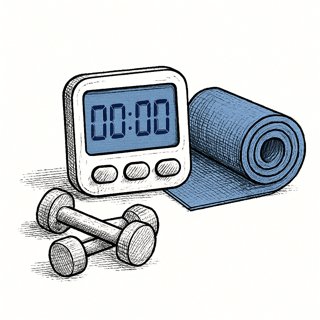
Most first app ideas are, because they are aimed at imaginary users. The skill does not throw the big idea away; it carves out the smallest piece you would use yourself this month and parks everything else on a written version-two list, so scope creep has somewhere to go besides the code. The best first app has one user, you, and replaces something you already do manually. Three shapes that pass that test:


What you end up with
A repo that already contains the decisions, so building can start instead of restarting the argument with yourself. End state of the session above:
liftlog/
├── README.md          committed
└── data/lifts.json    real data from day one

README.md
  # liftlog
  This app lets me log my lifts so the notes-app mess can retire.
  Core screen: this week's workouts. Core action: add a set.

  Version two (parked on purpose):
  - friends can follow my log
  - streaks and challenges
  - accounts

Issue #1 — first milestone
  "Core screen lists this week's workouts from data/lifts.json."

data/lifts.json
  [{"day":"Tue","lift":"squat","sets":"5x5","weight":185},
   {"day":"Thu","lift":"bench","sets":"5x5","weight":135}]
Questions people actually ask
What happens to the rest of my big idea?
It gets written down as later versions, in the README, where it cannot be lost. Carving out the small piece is how the big idea survives; unscoped, it dies in planning.
Do I need accounts and a database?
Not to start. The rule in the skill: no accounts unless someone besides you will use the app this month. Real data from your life, hardcoded at first, is enough to build the core screen.
How is this different from starting a website?
An app has actions and state; a site shows information. The skill warns you honestly that an app takes longer, and if your idea is really a page that shows information, it routes you to start-a-website for a better first win.
What if I don't have a problem worth an app?
You probably do: anything you track in your notes app, a spreadsheet, or your head qualifies, and so does anything your club or friend group coordinates badly. If nothing surfaces, the skill walks the idea bank with you.
Do I need to know how to code?
No. This skill is about choosing and starting. The building happens in build-web-app, where the agent writes the code and you supply the real data and the decisions.
Where to go from here
App chosen? The build chain:

Want more app shapes first?

Curious? Read the full skill — the exact instructions your agent gets
---
name: start-an-app
category: start
description: Choose the first app to build and kick it off. One small app solving a problem they have, repo created, handed to build-web-app. Use when they say "I want to make an app", "I have an app idea", or their idea is too big to start.
---

# start-an-app

Help someone commit to their first app. Most first app
ideas are startups in disguise — too big, aimed at imaginary users.
Your job is to land on an app they would use themselves this month,
small enough to work by next week, and to start it before the session
ends.

## Find the problem, not the app

Ask what they do repeatedly that annoys them:

- Anything they track in their notes app, a spreadsheet, or their
  head — workouts, grades, spending, game stats, shifts at work.
- Anything their club, team, or friend group coordinates badly.
- Any calculation or lookup they redo often for a hobby they know
  deeply.

The best first app has one user (them) and replaces something they
already do manually. If they arrive with a big idea, preserve it but carve out
the smallest piece they would personally use and frame the
rest as later versions. If nothing surfaces, walk through
https://sphinxstack.com/ideas/ together and match app-shaped ideas
against their answers.

## Scope it honestly

They choose the pick; you shape it until it fits a week:

- One sentence: this app lets [them or a named person] [verb] their
  [real thing].
- One core screen and one core action. Everything else is a version
  two, written down so it is not lost, then set aside.
- Real data from day one — their actual workouts, their actual
  shifts. Seed data comes from their life, never invented.
- No accounts unless someone besides them will use it this month.

Warn honestly: an app takes longer than a website. If their idea is
really a page that shows information, say so and route them to
https://sphinxstack.com/skills/start-a-website/ — that is a better
first win, and the app can come second.

## Kick it off

1. Create the repo, named after the app.
2. README: the one sentence, the core action, and the version-two
   list so scope creep has somewhere to go that is not the code.
3. First milestone as a GitHub issue: the core screen showing their
   real data, hardcoded is fine.
4. Start the milestone together — a first file committed, so the
   repo is real before they walk away.

Then hand to https://sphinxstack.com/skills/build-web-app/ to build
it, and https://sphinxstack.com/skills/ship-on-github/ when it is
time to put the work at a URL.

## Done

- One real user, one problem, one core screen, and one core action recorded
- Version-two ideas separated from the first milestone
- Repo contains real or safely redacted data, README, issue, and first commit
- build-web-app is the named next procedure