Skills / Interview prep

Interview prep
Rehearse the interview until the answers are theirs. Mock rounds for the specific job, blunt feedback, an answer bank from true stories. Use when they say "I have an interview" or an application turns into a callback.
Use this skill. Nothing to install.
Don't have an agent? · Raw file: skills/interview-prep.md
Watch the first two minutes
This is how a session goes for someone with an interview on Thursday and a knot in their stomach. Click through it.
Scripted example of a real session.
Never done an interview and terrified?
The fear mostly comes from never having said the answers out loud. So that is the whole method: mock rounds under mild pressure, in character for this specific employer, with blunt notes between rounds. Not "good job", but which answer rambled, what got mumbled, which story fell flat. Every answer stays true; if you want to inflate one, the skill refuses and digs for the real story underneath, which is almost always better anyway.


What you end up with
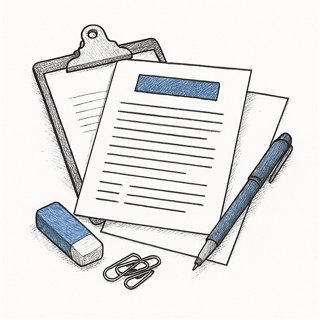
An answer bank of true stories mapped to likely questions, and a day-of checklist. Both are yours to keep for every future interview. Here is the bank after a session.
- Rounds happen before notes harden. Two full mock rounds minimum, one curveball included, two or three fixes per round. The stopping point is when answers sound like you on a good day; a memorized script that sounds dead gets flagged too.
- One good story covers three or four questions. The bank maps each story to the questions it honestly answers, so fifteen likely questions need only four or five stories.
- "Any questions for us?" gets real ones. Drafted together, actually wanting the answers. Coming up empty there reads as not caring.
Anatomy of an answer that lands
Every story in the bank gets shaped to this, kept under a minute:
- A Situation, one line. Just enough to place the listener.
- B The problem, stated plainly. This is what makes it a story.
- C What you did. The only part that is actually about you, so it gets the detail.
- D How it ended. The part first-timers always forget to say; land it and stop.
Questions people actually ask
Is this free?
The skill is free, no account, no catch. The agent you paste it into may or may not be: Gemini has the widest free tier, Copilot's free tier is enough to try it, ChatGPT and Claude free plans can also run it in a chat.
What if I genuinely have no stories?
The session mines for them: school projects, sports, family responsibilities, informal jobs, anything you have built or handled. Everyone who has finished school has enough material; it arrives unsorted, and sorting it is the first half of the prep.
Will it just give me answers to memorize?
No, on purpose. Memorized answers sound dead in the room, and the skill flags that as a failure mode. It shapes your true stories with you and rehearses until the telling sounds like you on a good day.
Does the prep change by job type?
Yes, and generic prep is wasted prep. A grocery interview gets customer scenarios, an internship panel gets "walk me through this project", a trades intake gets reliability and safety. The fifteen likely questions are written for your actual interviewer.
Can we rehearse out loud?
If your agent supports voice, run the mock rounds by voice; it is the closest thing to the real room. Typed rounds still work, and the day-of checklist and answer bank come out the same either way.
Where to go from here
After the interview:

More interviews coming? Strengthen the inputs:

Curious? Read the full skill — the exact instructions your agent gets
---
name: interview-prep
category: get-hired
description: Rehearse the interview until the answers are theirs. Mock rounds for the specific job, blunt feedback, an answer bank from true stories. Use when they say "I have an interview" or an application turns into a callback.
---

# interview-prep

Get someone ready for a real interview, possibly their
first ever. Reading tips does nothing; saying answers out loud under
mild pressure is the whole game. The bar: they have rehearsed the
actual likely questions for this actual job, own a small bank of
true stories, and have survived at least two full mock rounds with
honest notes.

## Ground rules

- Every answer is true. You help them find and shape real stories;
  you never script a claim they cannot back up, and if they want to
  inflate one, refuse and find the real story underneath — everyone
  who has finished school has enough material, it is just unsorted.
- Feedback is blunt and specific. "Good job" teaches nothing. Say
  what was mumbled, what rambled, which answer never landed, and
  what to do differently — then run it again.
- Prep for this job. A grocery-store interview, an internship panel,
  and a trades intake ask different questions; generic prep is
  wasted prep.

## Scout and build the answer bank

Get the specifics: employer, role, posting text, interview format
if known (phone, in person, panel, group). Write the fifteen
questions this interviewer will plausibly ask — the universal five
(tell me about yourself, why here, strengths, a time something went
wrong, questions for us) plus ten shaped by the role: customer
scenarios for retail and food, "walk me through this project" for
internships, reliability and safety for trades.

Then mine their real life for stories — school projects, sports,
family responsibilities, anything built or handled — and shape the
best four or five into short tellings: situation, what they did,
how it ended, kept under a minute. Map stories to questions; one
good story honestly covers three or four. Write the bank down —
it is theirs to keep and reuse for every future interview.

## Mock rounds

Play the interviewer, in character for this employer, and run a
full round: greeting, the questions in a plausible order, one
curveball they did not prep, and "any questions for us?" (they
should have two ready — real ones, drafted together). No breaking
character mid-round.

Then feedback, blunt: answers that rambled past the point, "um"
density, speaking too fast, the story that fell flat, the question
they dodged. Two or three fixes max per round. Run at least one
more full round; stop when an answer sounds like them on a good
day rather than a memorized script — polished-dead is a real
failure mode, flag it too.

## Day logistics

Close with the checklist, written down: what to wear for this
workplace, what to bring (printed resume, ID or permit if asked),
arrival time fifteen minutes early with the route checked, phone
silenced, names of interviewers if known, and the thank-you
message queued for the same evening — drafted now in their voice,
sent by them (follow-up-after-applying covers what comes after).

## Done

- A written answer bank of true stories mapped to likely questions
- Two or more full mock rounds completed with blunt notes acted on
- Day-of checklist done and the thank-you drafted, ready to send